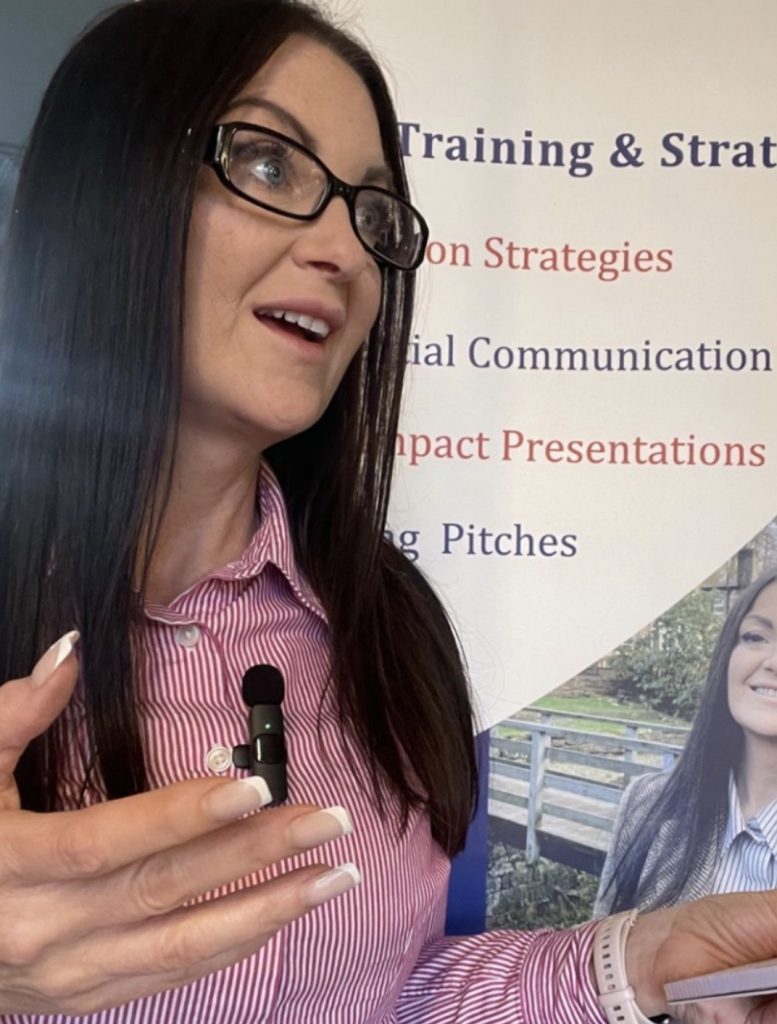
Over the past year, I’ve worked closely with several high-growth organisations establishing a presence in the UK from across Europe and Asia, particularly in technically complex and behaviourally sensitive sectors such as defence, AI, and critical infrastructure.
In almost every case, these firms have entered the market with experienced teams, strong investment backing, and a clear operational agenda – the foundations for success are firmly in place, and early signals are often positive.
However, as delivery ramps up and strategic visibility increases, I often see a quiet shift begin to take shape: the demands on internal teams multiply, engagement widens across multiple fronts, and the original clarity of focus – so evident during early expansion – starts to thin under the weight of parallel priorities.
This is not a result of poor planning or inadequate leadership; it’s a natural by-product of growth at pace, particularly when combined with the pressure to demonstrate both operational capability and stakeholder traction.
In the UK specifically, these dynamics present a particular challenge. While activity is essential, it is not necessarily what builds long-term influence. What matters more – especially in sectors where trust is earned slowly and decisions unfold across layers – is the ability to guide how the organisation is perceived, understood, and responded to by key stakeholders. That influence is rarely just about messaging; it’s behavioural, contextual, and often determined by subtle cues that differ meaningfully from those in the firm’s home market.
This becomes even more critical when the organisation is not only delivering a service or product, but also seeking to shape how clients behave in response to it – whether that means accelerating adoption, reframing perceptions of risk, or helping decision-makers visualise entirely new operational models.
The conversations that sit beneath those outcomes are rarely straightforward. They require precision, consistency, and cultural fluency – particularly when being led by highly capable teams whose own ways of thinking and operating are under pressure to scale.
My work focuses on this: helping senior teams spot where behavioural misalignment may be starting to erode influence, and refining how both internal and external communication can be adjusted to support sustainable trust. Often, the shift required is relatively small – a recalibration of stakeholder cadence, a sharper articulation of value at the right narrative level, or a better understanding of how a UK audience interprets ambiguity or conviction. But these small shifts are often the difference between traction and drift.
For organisations already operating at pace, this is not a matter of doing more – it’s about protecting what matters most. Delivery alone is not enough if the behavioural conditions for success haven’t been secured.